
Home Inspection Details: What a Home Inspection Includes

Buying or selling a property is a big step. One of the most important parts of this process is the home inspection. It helps you understand the condition of the property and avoid surprises later. I want to share with you exactly what a home inspection includes. This way, you can feel confident and prepared when it’s time to get your property checked.
A home inspection is a thorough check of a house’s major systems and components. It’s not just about finding problems but also about understanding the overall health of the home. Knowing what to expect during an inspection can make the whole experience smoother and less stressful.
Understanding Home Inspection Details
When you schedule a home inspection, the inspector will look at many parts of the property. They focus on safety, function, and wear and tear. The goal is to give you a clear picture of the home’s condition. Here are the main areas covered in a typical home inspection:
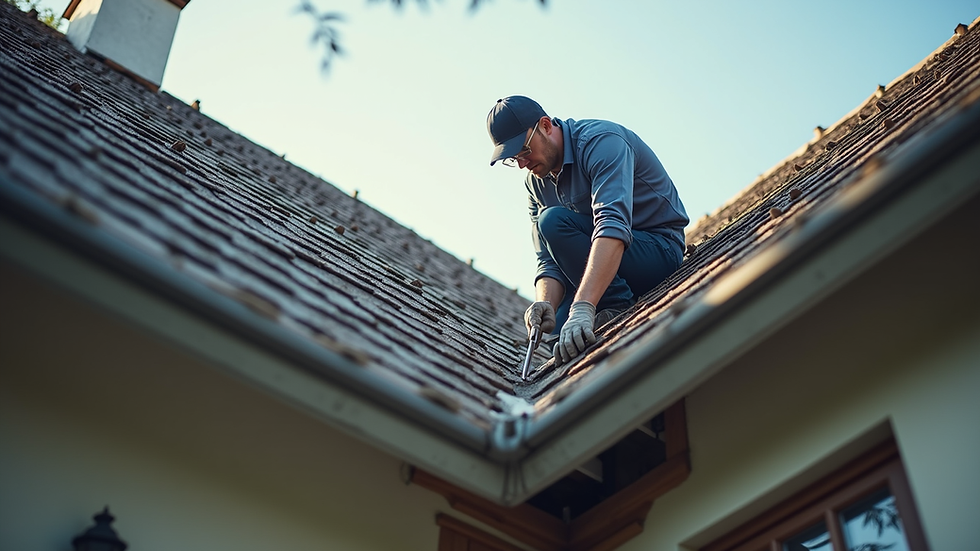
Roof and Gutters: Inspectors check for missing shingles, leaks, and the condition of gutters. A damaged roof can lead to costly repairs.
Foundation and Structure: They look for cracks, water damage, and signs of settling. The foundation supports the entire house, so its condition is critical.
Plumbing System: This includes pipes, faucets, water heaters, and drainage. Inspectors test for leaks, water pressure, and corrosion.
Electrical System: The inspector checks wiring, outlets, breakers, and the electrical panel. Safety is a top concern here.
Heating and Cooling Systems: These systems are tested to ensure they work properly and efficiently.
Interior Components: Walls, ceilings, floors, windows, and doors are examined for damage or wear.
Appliances: Built-in appliances like ovens, dishwashers, and garbage disposals are tested.
Insulation and Ventilation: Proper insulation and ventilation help with energy efficiency and prevent moisture problems.
Basement and Crawl Spaces: These areas are checked for moisture, pests, and structural issues.
The inspector will provide a detailed report with photos and notes. This report helps you understand any issues and decide on repairs or negotiations.
What Things Will Fail a Home Inspection?
Not every issue found during an inspection means the home will fail. However, some problems are serious enough to cause a failed inspection or require immediate attention. Here are common reasons a home might fail:
Structural Damage: Large cracks in the foundation or walls, sagging roofs, or unstable floors.
Electrical Hazards: Exposed wiring, outdated panels, or overloaded circuits that pose fire risks.
Plumbing Leaks: Active leaks, broken pipes, or water damage that could lead to mold.
Roof Problems: Severe leaks, missing shingles, or a roof near the end of its life.
Pest Infestations: Termites, rodents, or other pests causing damage.
Mold and Moisture Issues: Visible mold or signs of water intrusion in basements or attics.
Heating and Cooling Failures: Systems that do not work or are unsafe.
If these issues are found, the inspector will highlight them clearly. It’s important to address these problems before moving forward with a sale or purchase. Sometimes repairs are needed, or you may negotiate the price based on the inspection results.
Why Knowing What Is Included in a Home Inspection Matters
Understanding what is included in a home inspection helps you prepare for the process. You’ll know what the inspector will check and what to expect in the report. This knowledge empowers you to ask the right questions and make informed decisions.
For example, if you know the inspector will check the HVAC system, you can ask about its age and maintenance history. If the roof is old, you can plan for a closer look or a specialist inspection. Being informed helps you avoid surprises and gives you peace of mind.
Tips for Preparing for a Home Inspection
To get the most out of your home inspection, preparation is key. Here are some practical tips:
Be Present During the Inspection: Walk through the home with the inspector. This lets you see issues firsthand and ask questions.
Clear Access to Key Areas: Make sure the inspector can easily reach the attic, basement, electrical panel, and HVAC units.
Gather Maintenance Records: If you have records of repairs or upgrades, share them with the inspector.
List Your Concerns: Write down any specific questions or areas you want the inspector to focus on.
Plan for Follow-Up: After the inspection, review the report carefully. Consider hiring specialists for any major issues.
Being proactive helps you get a thorough inspection and understand the home’s condition fully.

Moving Forward After the Inspection
Once you have the inspection report, it’s time to take action. Here’s what you can do next:
Review the Report Carefully: Look at photos and notes. Identify any urgent repairs or safety concerns.
Discuss with Your Real Estate Agent: They can help you negotiate repairs or price adjustments.
Get Repair Estimates: For major issues, get quotes from licensed contractors.
Decide on Next Steps: You may choose to proceed with the purchase, ask for repairs, or walk away if problems are too severe.
Schedule Follow-Up Inspections: Sometimes, a second inspection is needed after repairs.
Remember, a home inspection is a tool to protect your investment. It helps you make smart choices and avoid costly surprises.
Getting a home inspection is a smart move for anyone involved in real estate. Knowing the home inspection details and what to expect makes the process easier. It gives you confidence and clarity about the property’s condition. Whether you are buying, selling, or investing, a thorough inspection is your best friend.
If you want to learn more about what is included in a home inspection, don’t hesitate to reach out to a trusted local inspector. They can guide you through every step and help you make the best decision for your property.


Comments