
Your Comprehensive Home Inspection Checklist

Buying or selling a property is a big step. It can feel overwhelming, especially when you want to make sure everything is in good shape. That’s why having a thorough home inspection checklist is so important. It helps you spot potential problems early and gives you peace of mind. I’ve put together a detailed guide to help you navigate the inspection process with confidence. Whether you’re a first-time buyer, a seasoned seller, or a commercial property investor, this checklist will cover all the essentials.
Why a Home Inspection Checklist Matters
A home inspection checklist is your best friend during a property transaction. It ensures you don’t miss anything important. When you walk through a home, it’s easy to overlook small details that could turn into costly repairs later. A checklist keeps you focused and organized.
For example, checking the roof for missing shingles or inspecting the foundation for cracks can save you thousands. It also helps you negotiate better by knowing exactly what needs fixing. Plus, a good inspection can reveal safety issues like faulty wiring or mold, which are critical to address.
Using a checklist also speeds up the process. You won’t have to go back and forth with your inspector or seller because you forgot to check something. It’s a simple tool that makes a big difference.
Essential Home Inspection Checklist Items
Here’s a breakdown of the key areas you should inspect. I’ll explain what to look for and why it matters.
Exterior Inspection
Start outside. The exterior protects the entire home, so it’s crucial to check it carefully.
Roof: Look for missing, cracked, or curling shingles. Check gutters for clogs or damage. A damaged roof can lead to leaks and water damage.
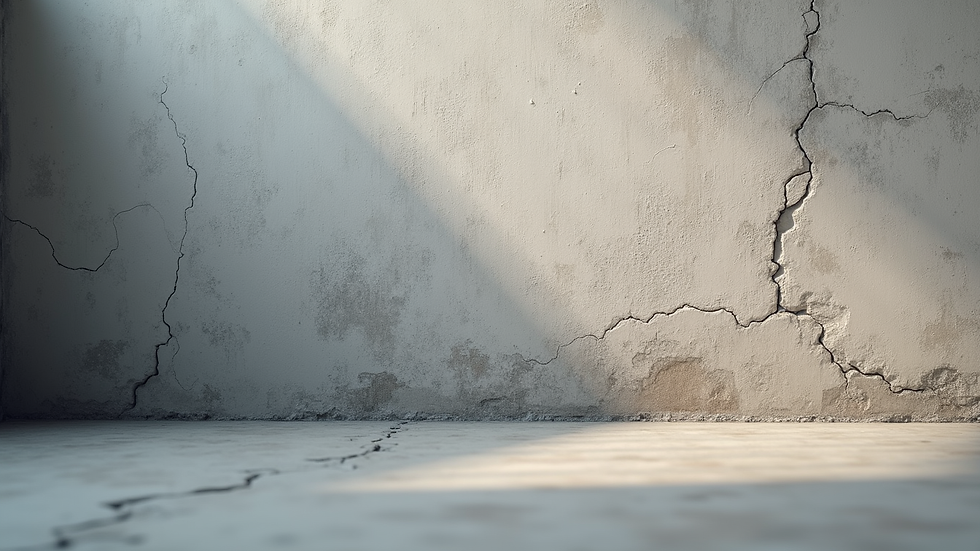
Foundation: Inspect for cracks, uneven settling, or water pooling near the base. Foundation issues can be expensive to fix.
Siding and Paint: Look for peeling paint, cracks, or rot. These can allow moisture in and cause structural damage.
Windows and Doors: Check for broken glass, damaged frames, and proper sealing. Drafty windows increase energy costs.
Drainage: Ensure water flows away from the house. Poor drainage can cause basement flooding or foundation problems.
Interior Inspection
Once inside, focus on the structure and systems that keep the home safe and comfortable.
Walls and Ceilings: Look for cracks, stains, or signs of water damage. These could indicate leaks or structural issues.
Floors: Check for uneven spots, squeaks, or water damage. Uneven floors might mean foundation problems.
Plumbing: Test faucets, showers, and toilets for leaks and water pressure. Look under sinks for signs of water damage.
Electrical System: Test outlets and switches. Check the breaker panel for proper labeling and signs of wear.
Heating and Cooling: Turn on the HVAC system. Listen for unusual noises and check if it heats or cools effectively.
Appliances: Test built-in appliances like ovens, dishwashers, and garbage disposals to ensure they work properly.
Safety Features
Safety should never be overlooked. These checks protect you and your family.
Smoke and Carbon Monoxide Detectors: Make sure they are installed and working.
Stairways and Railings: Check for stability and proper height.
Fire Extinguishers: Confirm they are present and not expired.
Basement and Attic: Look for signs of mold, pests, or water damage.

How to Use a Home Inspection Checklist Effectively
Having a checklist is one thing, but using it well is another. Here are some tips to get the most out of your inspection.
Bring a Copy: Print or download a home inspection checklist for buyers pdf to have on hand during your visit.
Take Notes and Photos: Document any issues you find. Photos help you remember details and share concerns with your inspector or seller.
Ask Questions: Don’t hesitate to ask the inspector about anything you don’t understand. Their expertise is valuable.
Prioritize Issues: Not all problems are deal-breakers. Focus on safety and major repairs first.
Follow Up: If you find serious issues, get estimates for repairs and discuss them with your real estate agent or seller.
Common Problems Found During Home Inspections
Knowing what problems often come up can prepare you to spot them early.
Roof Damage: Missing shingles, leaks, or old roofing materials.
Plumbing Leaks: Dripping faucets, corroded pipes, or slow drains.
Electrical Hazards: Outdated wiring, overloaded circuits, or missing ground fault circuit interrupters (GFCIs).
Foundation Cracks: Small cracks might be normal, but large or widening cracks are a concern.
HVAC Issues: Poor maintenance can lead to inefficient heating or cooling.
Pest Infestations: Signs of termites, rodents, or other pests can cause structural damage.
Being aware of these common issues helps you stay alert during your inspection.
Final Steps After Your Home Inspection
After the inspection, it’s time to act on what you’ve learned.
Review the Report: Go through the inspector’s findings carefully.
Get Repair Estimates: Contact contractors to understand repair costs.
Negotiate Repairs or Price: Use the inspection report to ask the seller for repairs or a price reduction.
Plan for Future Maintenance: Some issues may not need immediate attention but should be monitored.
Schedule Follow-Up Inspections: For major repairs, consider a re-inspection after work is done.
Taking these steps ensures you make informed decisions and protect your investment.
Making Confident Real Estate Decisions
A thorough home inspection checklist is your key to confidence. It helps you understand the true condition of a property. With this knowledge, you can negotiate better, plan repairs, and avoid surprises.
Remember, a home is more than just a building. It’s a place where memories are made. Taking the time to inspect it carefully is a smart move. Use this checklist as your guide, and you’ll feel more secure every step of the way.
If you want a handy tool to keep with you, download a home inspection checklist for buyers pdf. It’s a simple way to stay organized and informed.
By following these tips and using a detailed checklist, you’ll be ready to make the best real estate decisions for your future.


Comments